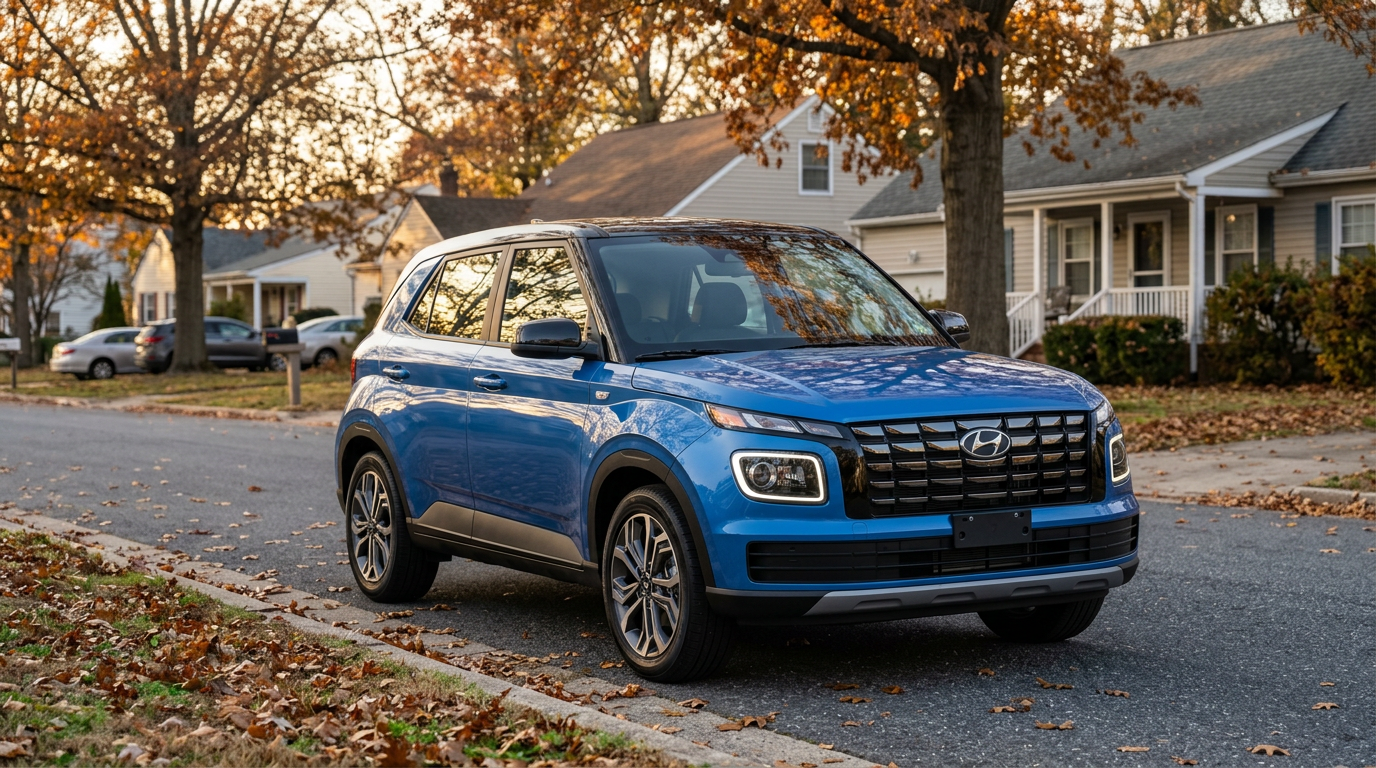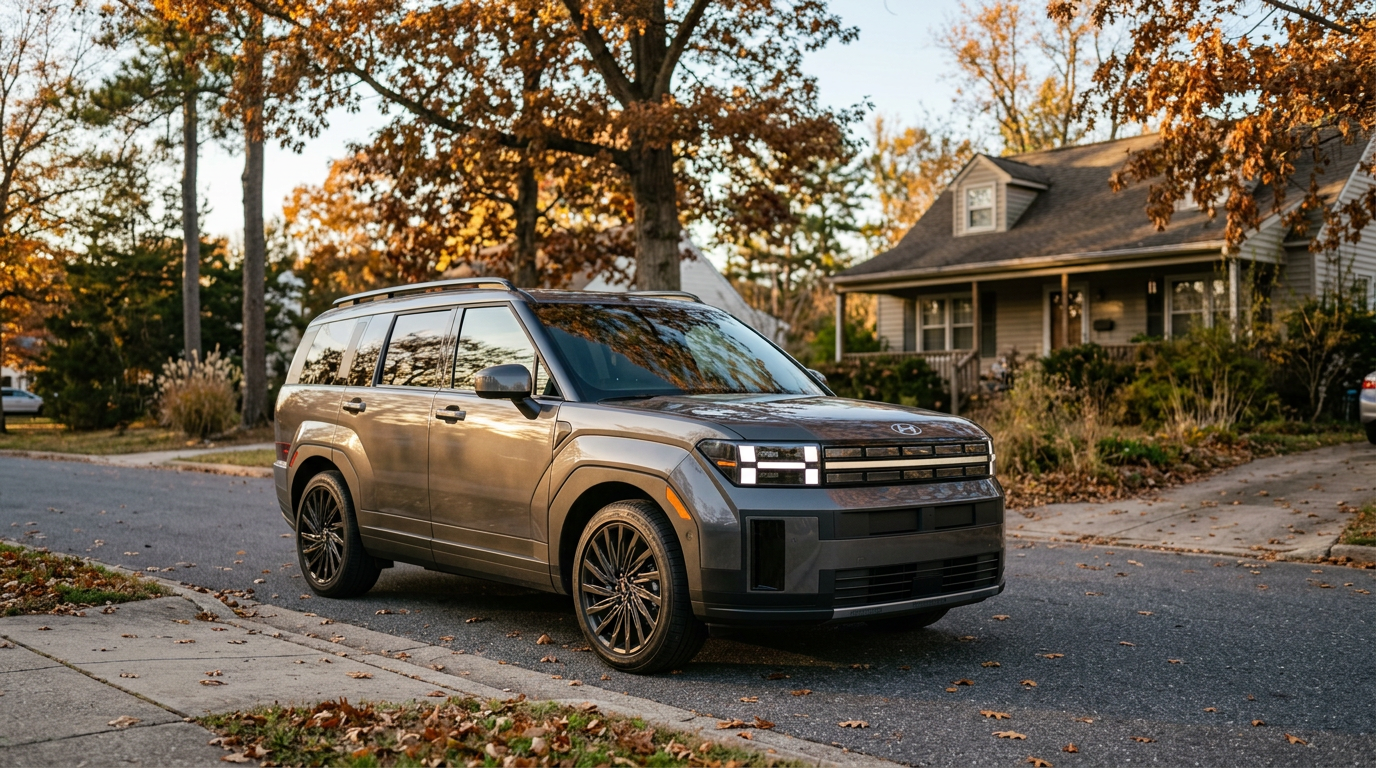



Preparing a Hyundai for winter driving requires testing the 12-volt battery cold-cranking capacity [1, 2], adjusting tire inflation for seasonal pressure drops [1], verifying engine coolant freeze-point protection [1, 2], replacing worn wiper blades with winter-rated units [1], and checking brake pad thickness. Completing these essential checks before freezing weather arrives ensures maximum vehicle traction, starting reliability, and heating efficiency on icy Mid-Atlantic roads.
Mid-Atlantic winters bring rapid temperature drops, freezing rain, and slush that place heightened demands on your vehicle's mechanical systems. Engine oil thickens in lower temperatures, making initial startup harder on the battery [1, 2], while rubber compounds on wiper blades and drive belts become stiff and susceptible to cracking. A thorough seasonal inspection addresses these vulnerabilities before winter weather sets in.
Our factory-trained technicians at Winner Hyundai evaluate all critical safety and mechanical components according to factory service guidelines. Bringing your vehicle to our Dover service center location provides access to specialized diagnostic equipment tailored specifically for Hyundai models like the Tucson, Santa Fe, and Palisade. You can reach our service department with a quick call to discuss winter service options or address specific maintenance needs.
Table of Contents
- Are All-Season Tires Sufficient for Winter Weather in Dover, Delaware?
- Why Does the Hyundai Tire Pressure Monitoring System Light Turn On in Cold Weather?
- What Specific Points Are Checked in a Hyundai Winter Multi-Point Inspection?
- How Does Hyundai HTRAC All-Wheel Drive Perform on Snow and Ice?
- How Much Winter Driving Range Loss Should You Expect in a Hyundai EV?
- Frequently Asked Questions About Winter Hyundai Service
- Where to Arrange Hyundai Winter Service and Service Hours
Are All-Season Tires Sufficient for Winter Weather in Dover, Delaware?
Standard all-season tires are adequate for light snowfall on clear roads, but their tread rubber hardens below 45°F, substantially reducing braking grip and cornering traction in sub-freezing temperatures. Upgrading to all-weather tires or dedicated winter tires delivers softer rubber compounds and specialized siping for safer driving on frozen pavement.
The primary distinction between tire types lies in tread flexibility and groove geometry. Standard factory all-season tires use tread compounds engineered for moderate climates and warm summer asphalt. When ambient temperatures drop below 45°F, this tread material loses elasticity, causing the tire to glide over cold pavement rather than conforming to minor surface textures.
Drivers taking daily commutes along Route 1 through Middletown encounter sudden black ice patches and freezing spray during winter mornings. Dedicated winter tires feature high-silica rubber compounds that remain soft well below freezing, paired with multi-angle siping designed to grip snow and clear slush. All-weather tires offer a practical hybrid alternative, carrying the official 3-Peak Mountain Snowflake (3PMSF) rating while remaining suitable for year-round use.
Evaluating tread depth before cold weather arrives is critical; any tire worn below 4/32 of an inch lacks sufficient channel depth to clear slush safely. Consider scheduling a winter tire inspection with our service team to measure remaining tread depth, inspect for uneven wear patterns, and review tire recommendations suited to your daily driving routes.
Why Does the Hyundai Tire Pressure Monitoring System Light Turn On in Cold Weather?
The Hyundai Tire Pressure Monitoring System ( TPMS) warning light turns on in cold weather because tire pressure drops by approximately 1 PSI for every 10-degree Fahrenheit drop in ambient air temperature. Sudden cold snaps contract the air inside the tire enough to fall below the factory inflation threshold.
Air contracts as ambient temperatures fall, reducing internal pressure against the tire casing without any air escaping through a puncture or faulty valve stem. An overnight temperature drop of 30 degrees lowers inflation by 3 PSI or more, bringing a properly inflated tire down to a level that illuminates the instrument cluster warning icon.
Driving on underinflated tires during winter compromises handling precision, increases rolling resistance, and accelerates shoulder tread wear. Furthermore, an underinflated tire cannot clear slush effectively, increasing the risk of hydroplaning on slush-covered highways. Adjusting inflation pressures when the tires are cold—after the vehicle has been parked for at least three hours—ensures accurate readings matching the specification listed on your vehicle's driver-side door pillar placard.
If your pressure warning light stays on after inflating the tires to proper specifications, our technicians can re-zero the sensor system and inspect the valve assemblies. Review our guidance on checking tire pressure settings to maintain correct cold-weather inflation levels throughout the season.
What Specific Points Are Checked in a Hyundai Winter Multi-Point Inspection?
A Hyundai winter multi-point inspection checks the 12-volt battery health and reserve capacity, engine coolant freeze-point protection, brake pad and rotor thickness, tire tread depth and pressure, wiper blade condition, drive belt integrity, and exterior lighting function. This systematic evaluation identifies hidden component wear before sub-zero temperatures cause unexpected failures.
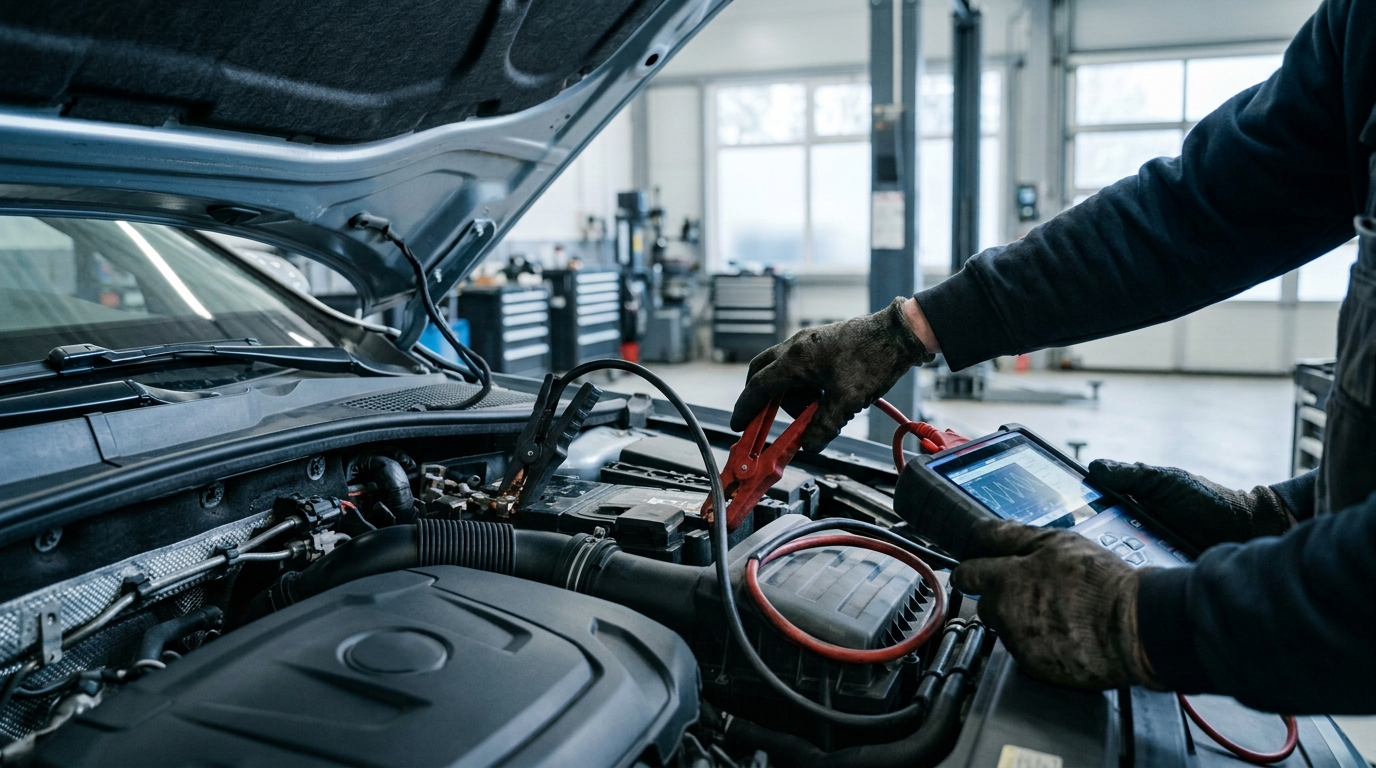
Winter conditions place heavy strain on electrical and mechanical assemblies. The inspection starts under the hood with a digital battery conductance test to measure cold-cranking amps ( CCA), verifying your starter receives adequate current on freezing mornings. Technicians also test engine coolant using a refractometer to verify freeze protection down to -30°F, preventing internal engine block cracking or radiator core freeze-ups.
The brake inspection measures friction material thickness and checks rotors for surface corrosion caused by road salt exposure. Technicians also inspect underbody steering linkages, constant-velocity ( CV) boot seals, and shock absorbers for fluid leaks or physical damage.
Key inspection items on the winter maintenance checklist include:
- 12-volt battery conductance test and terminal corrosion clearance
- Engine coolant freeze-point verification and cooling hose inspection
- Brake pad friction measurement and hydraulic line check
- Tire tread depth measurement across inner, center, and outer grooves
- Windshield washer pump test and winter wiper blade inspection
- HVAC cabin filter inspection and defroster airflow verification
How Does Hyundai HTRAC All-Wheel Drive Perform on Snow and Ice?
Hyundai HTRAC All-Wheel Drive continuously monitors vehicle speed, wheel slip, and steering inputs, dynamically shifting torque between the front and rear axles to maintain stability on slippery surfaces. Models equipped with a dedicated Snow Mode adjust shift timing and throttle sensitivity to minimize wheel spin during acceleration.
Unlike traditional four-wheel drive systems requiring manual driver selection, HTRAC All-Wheel Drive operates automatically through an electro-mechanical clutch assembly mounted on the rear axle. In clear dry conditions, the system directs most engine torque to the front wheels to conserve fuel. When sensors detect impending wheel slip on ice or snow, control software redistributes up to 50 percent of available engine torque to the rear wheels within milliseconds.
On models like the Tucson, Santa Fe, and Palisade, selecting Snow Mode alters power delivery for low-traction conditions. The engine control unit softens initial throttle response, while the SHIFTRONIC® automatic transmission selects higher gear ratios to limit low-speed wheel spin on snow-covered roads.
While HTRAC All-Wheel Drive provides exceptional acceleration traction, cornering and stopping abilities still depend entirely on tire grip. Servicing the system includes inspecting transfer case and rear differential fluid levels at factory-recommended intervals to ensure internal clutch packs operate smoothly.
How Much Winter Driving Range Loss Should You Expect in a Hyundai EV?
Hyundai electric vehicles typically experience a 20 percent to 30 percent reduction in driving range during freezing winter temperatures due to slowed battery chemical reactions and increased electrical consumption from cabin resistance heating.
Lithium-ion battery chemistry operates with higher internal resistance at sub-freezing temperatures, reducing energy efficiency during both power discharge and regenerative braking cycles. Concurrently, heating the passenger cabin draws electrical energy directly from the main high-voltage traction pack, decreasing total miles available per charge.
To preserve driving range in models like the IONIQ 5, drivers can activate cabin preconditioning through Bluelink while the vehicle remains connected to a Level 2 charger. Heating the battery pack and interior using grid power before departing preserves battery energy for driving.
Using heated seats and the heated steering wheel consumes significantly less power than running the main climate control blower continuously. Additionally, scheduling a winter battery health check ensures your EV receives any available software updates designed to optimize thermal management system performance in cold weather.
Frequently Asked Questions About Winter Hyundai Service
Q: Does winter highway road salt harm my Hyundai brake system?
Road salt and liquid magnesium chloride accelerate surface oxidation on brake rotors, calipers, and sliding hardware. Over time, salt accumulation causes caliper slide pins to bind, leading to uneven brake pad wear and reduced stopping efficiency. Periodic underbody washes and applying protective high-temperature lubricant to slide pins during seasonal service help prevent hardware binding.
Q: How often should I replace my windshield wiper blades during winter?
Wiper blades should be replaced every 6 to 12 months, or immediately when they streak, chatter, or leave unwiped areas on the glass. Beam-style winter wiper blades lack exposed metal frames, preventing ice from packing into the structure and ensuring uniform blade pressure across your windshield during freezing storms.
Q: Can I use standard generic green coolant in my Hyundai during cold months?
No, Hyundai cooling systems require factory-formulated Hyundai Genuine Long Life Coolant designed specifically for aluminum engine components. Mixing generic green silicated coolant with factory fluid can cause chemical gelling, which clogs heater core passages and degrades freeze-point protection.
Q: Why does my engine take longer to reach operating temperature on cold mornings?
Sub-zero ambient air rapidly draws heat from the engine block while the cooling system thermostat remains closed to reach optimal operating temperature. While idling for 30 to 60 seconds helps engine oil circulate through upper valvetrain components, driving gently is the most efficient method to bring both the engine and cabin heater up to temperature.
Q: Are there service specials available for seasonal winter tire maintenance?
Yes, our service center routinely offers service offers on tire rotations, wheel alignments, and winter multi-point inspections. Checking our active current service offers allows you to combine routine maintenance items into cost-effective seasonal packages prior to winter road trips.
Where to Arrange Hyundai Winter Service and Service Hours
Hyundai owners in central Delaware can schedule winter preparation service directly at Winner Hyundai, located at 591 S Dupont Hwy in Dover, DE. Our service department is open Monday through Friday from 7:30 AM to 6:00 PM and Saturday from 8:00 AM to 5:00 PM.
Bringing your vehicle to factory-trained technicians ensures all work is completed using genuine OEM parts and specialized diagnostic tools. Whether you require a battery test, tire rotation, or cooling system service before winter weather arrives, our team is equipped to maintain your vehicle according to factory standards.
For state government employees and commuters traveling past state capitol offices in Dover, our service center offers flexible scheduling options. Contact our service advisors by giving us a quick call to book your appointment, or find directions to 591 S Dupont Hwy to visit our facility today.